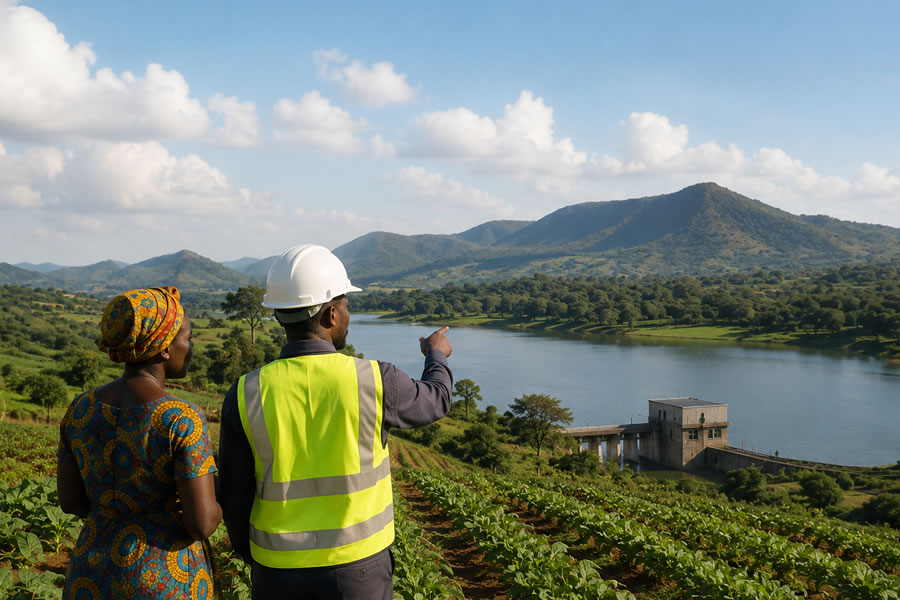
As global sustainability challenges continue to intensify, technology transfer is increasingly emerging as one of the most important drivers of long-term development, climate resilience, and economic transformation across the Global South.
From renewable energy systems and climate-smart agriculture to water management technologies and digital infrastructure solutions, access to practical and scalable innovation is becoming essential for countries seeking sustainable growth pathways.
However, the future of technology transfer will depend not only on access to innovation, but on the ability to adapt, implement, localize, and sustain these solutions within rapidly evolving regional environments.
Understanding Technology Transfer Beyond Innovation
Technology transfer is often misunderstood as simply the movement of technology from one region to another. In reality, effective transfer involves a much broader ecosystem of:
- Knowledge exchange
- Capacity development
- Institutional collaboration
- Infrastructure adaptation
- Policy alignment
- Market integration
- Long-term operational support
Successful technology transfer therefore requires strong coordination between governments, research institutions, private sector organizations, investors, and local implementation partners.
Without these supporting structures, even advanced technologies may struggle to create measurable long-term impact.
The Growing Demand for Sustainable Solutions
Across many countries in the Global South, governments and institutions are facing increasing pressure to address:
- Energy access challenges
- Agricultural productivity
- Climate adaptation
- Resource management
- Urbanization pressures
- Environmental sustainability
- Economic resilience
At the same time, global climate commitments and sustainability targets are accelerating the demand for scalable solutions capable of supporting low-carbon and resource-efficient development.
This is creating significant opportunities for collaboration between technology providers, sustainability-focused organizations, and regional implementation ecosystems.
Partnerships between Germany and countries across Africa, Southeast Asia, and Latin America are increasingly contributing to this transition through:
- Renewable energy deployment
- Agricultural modernization
- Infrastructure development
- Skills and knowledge transfer
- Sustainability consulting
- Climate-focused innovation initiatives
Localization Is Essential for Long-Term Success
One of the most critical factors in successful technology transfer is localization.
Solutions developed in one market cannot always be implemented directly in another without adaptation to:
- Infrastructure realities
- Regulatory frameworks
- Cultural dynamics
- Climate conditions
- Economic structures
- Workforce capabilities
- Community needs
Organizations that prioritize local engagement and contextual implementation are often more successful in achieving sustainable outcomes.
This is particularly important in sectors such as agriculture and renewable energy, where environmental conditions and operational realities vary significantly across regions.
Localized implementation strategies also help strengthen long-term ownership, improve adoption rates, and support the development of regional innovation ecosystems.
The Role of Knowledge Exchange and Capacity Building
Technology alone cannot drive sustainable transformation without the human and institutional capacity to manage, maintain, and expand its impact.
As a result, knowledge transfer and capacity-building initiatives are becoming increasingly important components of sustainable development strategies.
These may include:
- Technical training programs
- Research collaborations
- Exchange initiatives
- Policy workshops
- Industry partnerships
- Skills development frameworks
By strengthening local expertise and institutional readiness, organizations can help ensure that innovation ecosystems remain resilient and self-sustaining over time.
This collaborative approach also contributes to stronger long-term partnerships between international organizations and local stakeholders.
Financing and Policy Support
Sustainable technology transfer also depends heavily on supportive financing and policy environments.
Many emerging economies continue to face challenges related to:
- Infrastructure financing
- Access to investment capital
- Regulatory uncertainty
- Limited technical resources
- Project implementation risks
To address these barriers, governments and international development institutions are increasingly focusing on:
- Green financing initiatives
- Climate funds
- Public-private partnerships
- Innovation grants
- Sustainable infrastructure investment
- Regional cooperation frameworks
Organizations capable of aligning technology initiatives with broader policy and development priorities are often better positioned to secure long-term support and implementation success.
Looking Ahead
The future of sustainable development in the Global South will depend significantly on the ability of organizations, institutions, and governments to work collaboratively in building scalable and resilient innovation ecosystems.
Technology transfer will continue to play a central role in enabling this transition by connecting expertise, infrastructure, research, and implementation across regions.
However, long-term success will require more than technological advancement alone. It will depend on:
- Strategic partnerships
- Local participation
- Institutional readiness
- Sustainable financing
- Policy coordination
- Knowledge exchange
- Practical implementation frameworks
As sustainability challenges become increasingly global in nature, collaborative and locally grounded technology transfer models will remain essential for building resilient economies and inclusive development pathways across the Global South.
Leave a Reply